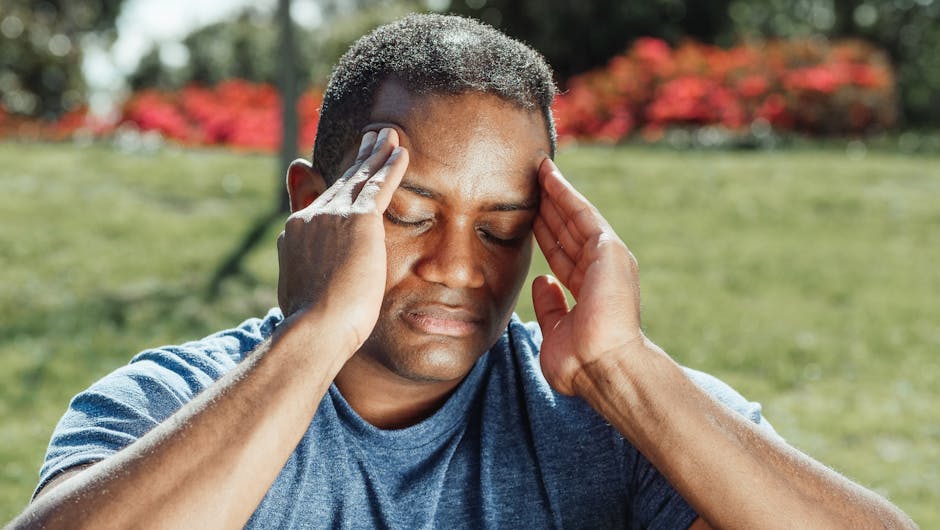
Are you experiencing headache, dizziness, imbalance, fatigue, sensitivity to light or noise, difficulty concentrating or with memory after a head injury or accident?
Have you ever sustained a head injury or been diagnosed with a concussion?
If so, you may benefit from Concussion Rehabilitation.
What is Concussion Rehabilitation?
It is a specialized form of Physical Therapy designed that involve a thorough assessment and a uniquely individualized treatment plan to assist individuals in their recovery from a head injury and resolve lingering symptoms.
What does a Concussion Assessment entail?
A Concussion Assessment involves a thorough discussion about how the injury occurred, how you felt immediately after, how symptoms have evolved over time, if any specific tasks/ activities aggravate your symptoms. A discussion how your symptoms may be affecting your ability to work or attend school will take place. A review of your current goals and medical history will also be completed.
The objective (physical) exam may include different combinations of testing, such as:
- Neurological testing
- Balance/ coordination testing
- Visual Motor Screening
- Vestibular/ balance testing
- Gait assessment
- Orthopaedic assessment of secondary injuries (ex. Neck, shoulder, upper back, jaw)
- Cognitive Health assessment
What does Concussion Therapy involve?
- Education (patient handouts and thorough information concerning your condition to take home)
- A variety of rehabilitation methods may be used based on the exam findings and presentation of each patient.
- Treatment could focus on any or a combination of the following:
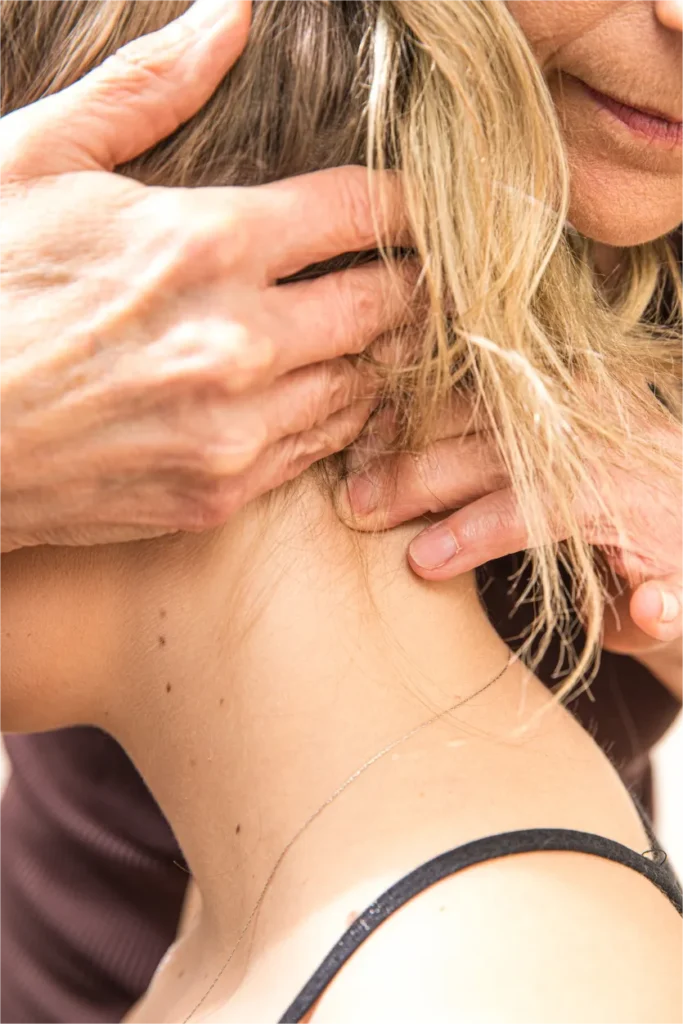
- Orthopaedic treatment of neck, shoulders, upper back, or jaw.
- Soft tissue injury to these areas can be sustained in conjunction with a head injury. If these areas are not functioning well they can cause symptoms of headache, dizziness and imbalance.
- Orthopaedic treatment can include manual therapy, dry needling, acupuncture and exercise prescription to improve range of motion, strength, decrease pain, promote tissue healing.
- Vestibular- Ocular Rehabilitation:
- These systems help tell us where we are in space and about our surroundings. When these systems are not working well it can cause intolerance to motion, busy spaces (ex. Grocery stores), difficulty performing visual activities (ex, reading, writing), dizziness and imbalance. In clinic and home exercise programing focuses on retraining the brain pathways to restore function and decrease symptoms.
- Exercise and Activity- Based Rehabilitation- Research is suggesting that gentle paced aerobic exercise or activity initialed in the early stages after a concussion can have great benefits. It does need to be applied at an appropriate level and activity. This would be apart of your post Concussion treatment plan and in clinic/ home exercise programing.
- Strategies for daily activities, cognitive health support- recommendations for schedule regulation, daily life activities, return to sport participation or other activities would be discussed and implemented.
- Communication with other health care providers and potential referral, if required, to address all aspects of post concussion recovery (examples can include Occupational Therapy for further cognitive therapy, Psychology for mental health, Optometry for further vision therapy, and/or Medical referral to your physician).
- Orthopaedic treatment of neck, shoulders, upper back, or jaw.